


SEC called XRP a security, Ripple’s David Schwartz says

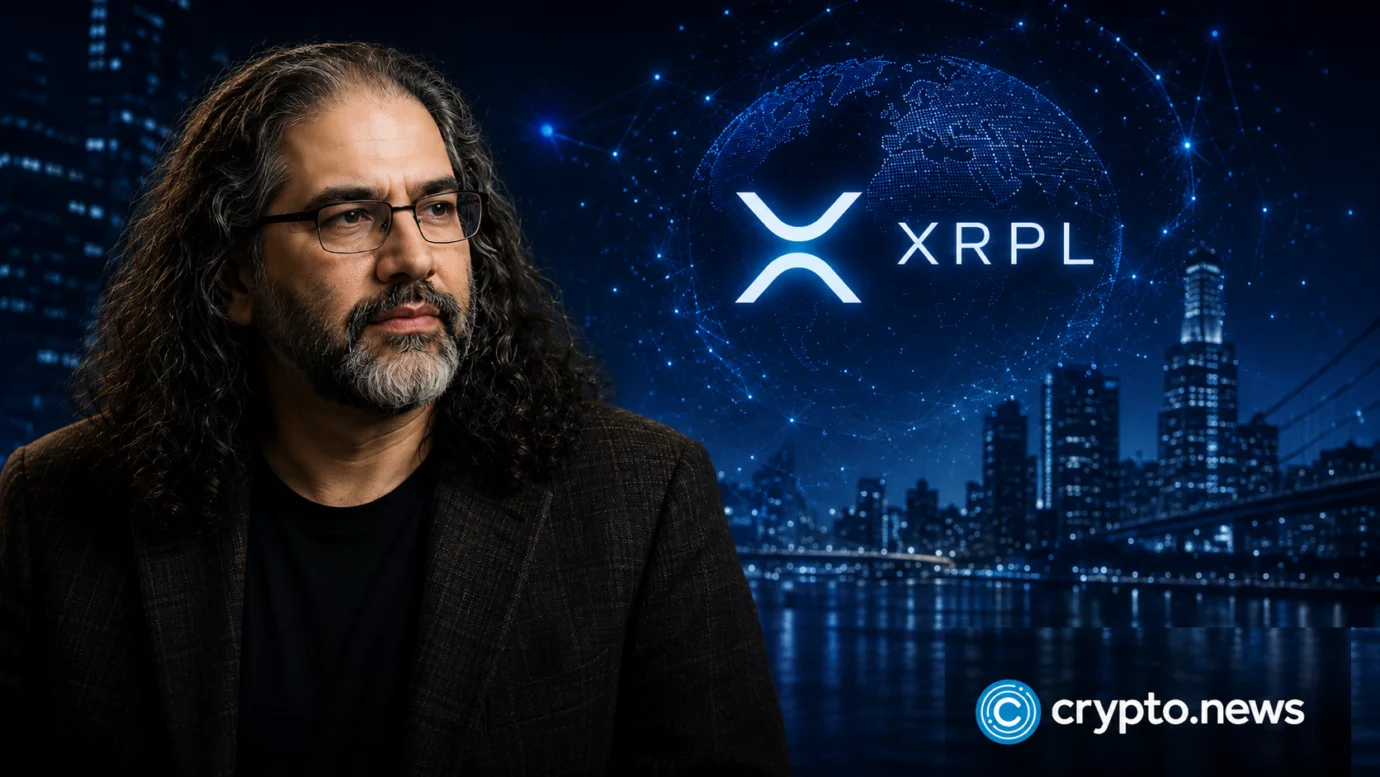
Ripple CTO Emeritus David Schwartz has challenged claims that the U.S. Securities and Exchange Commission focused only on Ripple’s sales of XRP.
- David Schwartz says the SEC repeatedly portrayed XRP itself as a security during Ripple litigation.
- Marc Fagel argues the case ultimately tested whether Ripple sold XRP through unregistered securities offerings.
- The 2023 ruling separated XRP tokens from transactions, rejecting programmatic sales while penalizing institutional deals.
He said the agency’s complaint and public statements repeatedly described XRP itself as a security before the court rejected parts of that broader position.
The exchange followed comments from former SEC attorney Marc Fagel, who said the case ultimately turned on whether Ripple sold XRP through unregistered securities offerings. Schwartz argued that this summary leaves out the regulator’s original language and the court’s response to it.
Schwartz disputes narrower reading of SEC case
In a July 14 X exchange, Fagel said the SEC needed to prove that Ripple sold XRP as a security to establish a Section 5 violation. He added that the agency did not need to decide every secondary-market transaction in its case against Ripple.
Schwartz agreed that Ripple’s sales mattered but rejected the claim that this was the regulator’s only argument. He wrote, “The complaint itself frequently refers to XRP itself as the security.” He called the narrower retelling “an attempt at completely rewriting history.”
SEC complaint used broad language around XRP
The SEC’s December 2020 complaint said Ripple and its executives sold more than 14.6 billion units of a “digital asset security called XRP.” The regulator alleged that the sales raised more than $1.38 billion without registration or an exemption.
The SEC’s public announcement focused on Ripple’s alleged unregistered offering and its executives’ personal sales. Fagel later acknowledged that the agency’s messaging lacked nuance and that its points appeared to change during the case. He maintained that the final legal question concerned Ripple’s XRP transactions.
Court separated the token from each transaction
Judge Analisa Torres drew a distinction between XRP and the contracts or schemes used to sell it. Her July 2023 order said XRP, as a digital token, was not “in and of itself” a contract, transaction or scheme that met the Howey test.
The court then reviewed Ripple’s sales by category. It found that about $728.9 million in direct institutional sales constituted unregistered investment contracts. Programmatic exchange sales did not meet the same test because buyers did not know whether Ripple or another holder sold the tokens.
Ripple case ended with split ruling intact
The SEC and Ripple dismissed their appeals in August 2025, formally ending the civil case. The final judgment kept a $125.04 million penalty and a permanent injunction tied to future unregistered institutional sales.
Notably, the XRP community marked July 13 as the third anniversary of the 2023 ruling. The decision protected Ripple’s programmatic exchange sales while leaving its institutional transactions subject to securities law.
Related reporting showed that Ripple considered closing after the SEC filed its complaint. The company continued the case and spent about $150 million on its legal defense, according to Ripple executives, as reported by crypto.news.
Schwartz said the court’s rejection of the SEC’s broader position formed a major part of Ripple’s victory. Fagel said the outcome still centered on whether Ripple’s sales qualified as securities transactions. Their exchange reflects a lasting dispute over the agency’s legal burden, public wording and the ruling that followed. That distinction still shapes how XRP’s legal history is described.